Reverse Engineering and Security Testing for Firmware and Embedded Systems
Firmware and embedded software form the trust foundation of connected devices. When flaws exist at this level, attackers can bypass higher‑level security controls, gain persistent access, or directly manipulate device behavior. Firmware & Embedded Systems Analysisfocuses on identifying and validating security risks embedded deep within device software, hardware interfaces, and boot processes—where traditional IT security testing cannot reach.
At Device Recon Labs, we apply offensive engineering techniques to analyze how embedded systems are built, how they enforce security boundaries, and how those protections can fail under real‑world attack conditions.
What We Analyze
Our assessments target the full embedded software stack, including:
- Bootloaders and secure boot chains
- Device firmware images and updates
- Real‑time operating systems (RTOS) and bare‑metal code
- Hardware abstraction layers and drivers
- Inter‑process and inter‑core communication
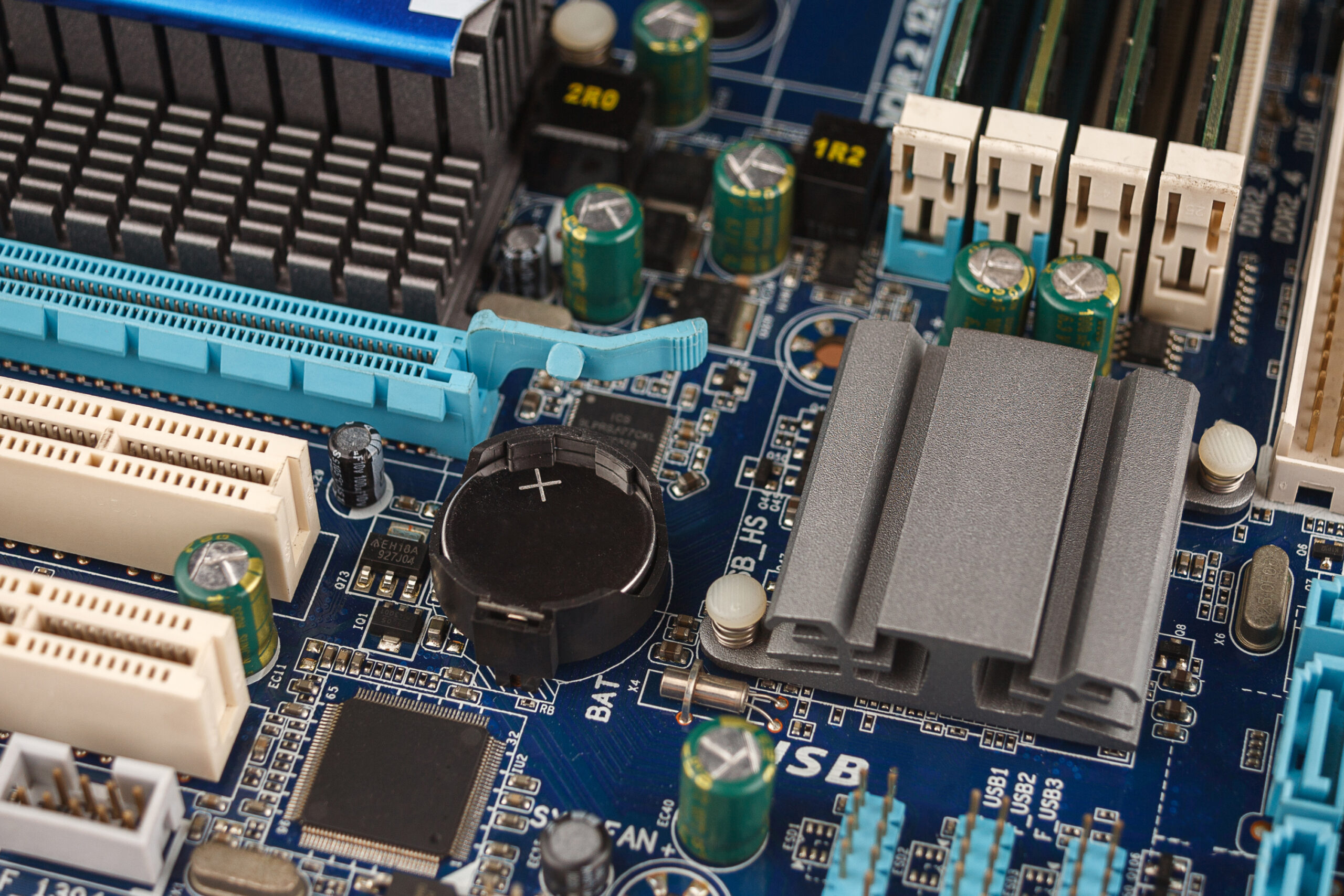
- Device‑to‑hardware interfaces (JTAG, UART, SPI, I²C)
Testing is tailored to the device’s architecture, chipset, operating environment, and safety or regulatory constraints.
Why Firmware Security Is Critical
Firmware vulnerabilities are especially dangerous because they can:
- Enable persistent, hard‑to‑detect compromise
- Undermine all higher‑level security controls
- Survive resets, reboots, and software updates
- Allow attackers to manipulate safety‑critical behavior
- Provide covert access paths for long‑term exploitation
In regulated and mission‑critical environments—such as medical devices, transportation systems, logistics platforms, and critical infrastructure—these failures can translate directly into safety, reliability, and compliance risks.
Safety‑Aware and Regulation‑Aware Execution
Embedded and firmware analysis is conducted with careful controls to avoid unintended disruption to operational systems. Engagements are designed to:
- Respect safety and availability requirements
- Align with FDA, transportation, and critical‑infrastructure cybersecurity expectations
- Produce defensible, audit‑ready artifacts
- Support risk management, threat modeling, and regulatory submissions
Testing depth and execution methods are adapted to device maturity, deployment status, and operational environment.